Sac Tu Linh Thu Ancient Royal-Decreed Pagoda
Western My Tho – Chau Thanh Heritage Corridor, Tien Giang
Architectural & Cultural Essay
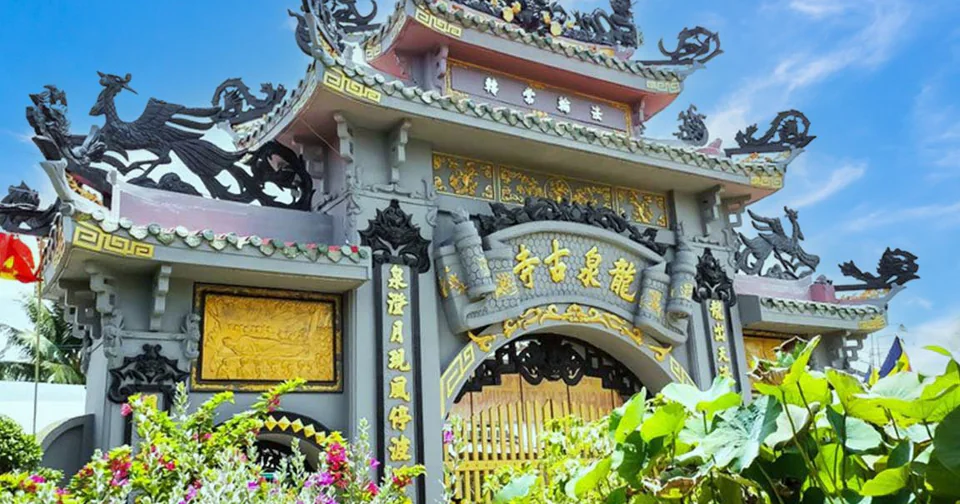
A revered nearly 300-year-old Buddhist monastery (also known as Sac Tu Linh Thuu or Xoai Hot Pagoda) situated along the western My Tho – Thanh Phu heritage belt, founded in the mid-18th century by Zen Master Nguyen Phuoc Chanh. Granted the imperial title 'Sac Tu Linh Thuu Tu' by Emperor Gia Long in 1816, this National Historical-Cultural Relic preserves 18th-century gilded jackfruit-wood statues and a bronze bell cast in 1849.
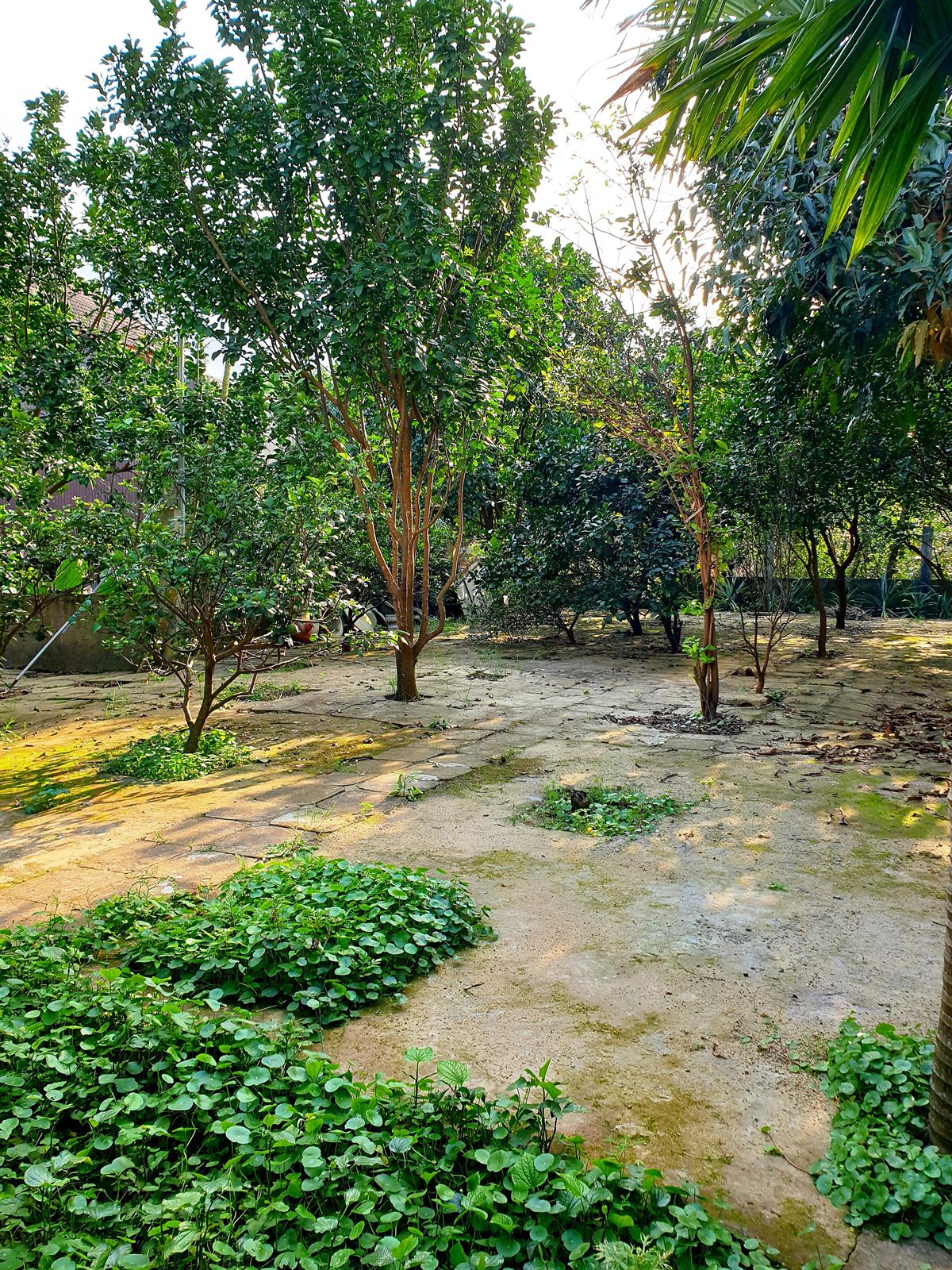
Established in the mid-18th century during the Nguyen Lords' expansion into Dinh Tuong, Sac Tu Linh Thu Ancient Pagoda (formally Sac Tu Linh Thuu, locally called Xoai Hot Pagoda after the ancient mango groves surrounding it) was founded as a hermitage by Zen Master Nguyen Phuoc Chanh. During the late 18th-century campaigns in the Mekong Delta, Lord Nguyen Anh found refuge at the temple. After ascending the throne as Emperor Gia Long, he issued an imperial decree in 1816 bestowing the gilded plaque 'Sac Tu Linh Thuu Tu' (Imperial-Decreed Linh Thuu Pagoda) alongside royal ceremonial gifts. The monastery was designated a National Historical-Cultural Relic in 2007. Constructed in the traditional 'inner Cong, outer Quoc' architectural layout, the sanctuary is supported by 48 massive ironwood and redwood columns resting on blue-stone bases. Its greatest artistic treasure is an ensemble of over 30 18th- and 19th-century jackfruit-wood and bronze sculptures inside the main hall, including the Amitabha Triad, Shakyamuni Buddha, the Ten Kings of Hell, and the Eighteen Arhats. The pagoda also safeguards a 1.2-meter bronze bell cast in the second year of Emperor Tu Duc's reign (1849) and intricately pierced gilded archways depicting the Four Sacred Animals. Nestled within a tranquil orchard setting along the western heritage corridor of My Tho, the temple grounds feature ancient trees and moss-covered stupas of patriarch monks. The resonant toll of the 1849 bronze bell blending with frangipani blossoms offers visitors a profound glimpse into Nguyen Dynasty history and classical Southern woodcarving.
Highlights
Frequently Asked Questions (3)
The title 'Sac Tu' (Imperial Decree) was granted by Emperor Gia Long in 1816 in gratitude for shelter received before his enthronement, while 'Xoai Hot' refers to the ancient heirloom mango trees that once surrounded the grounds.